Thank you! Your submission has been received!
Oops! Something went wrong while submitting the form.

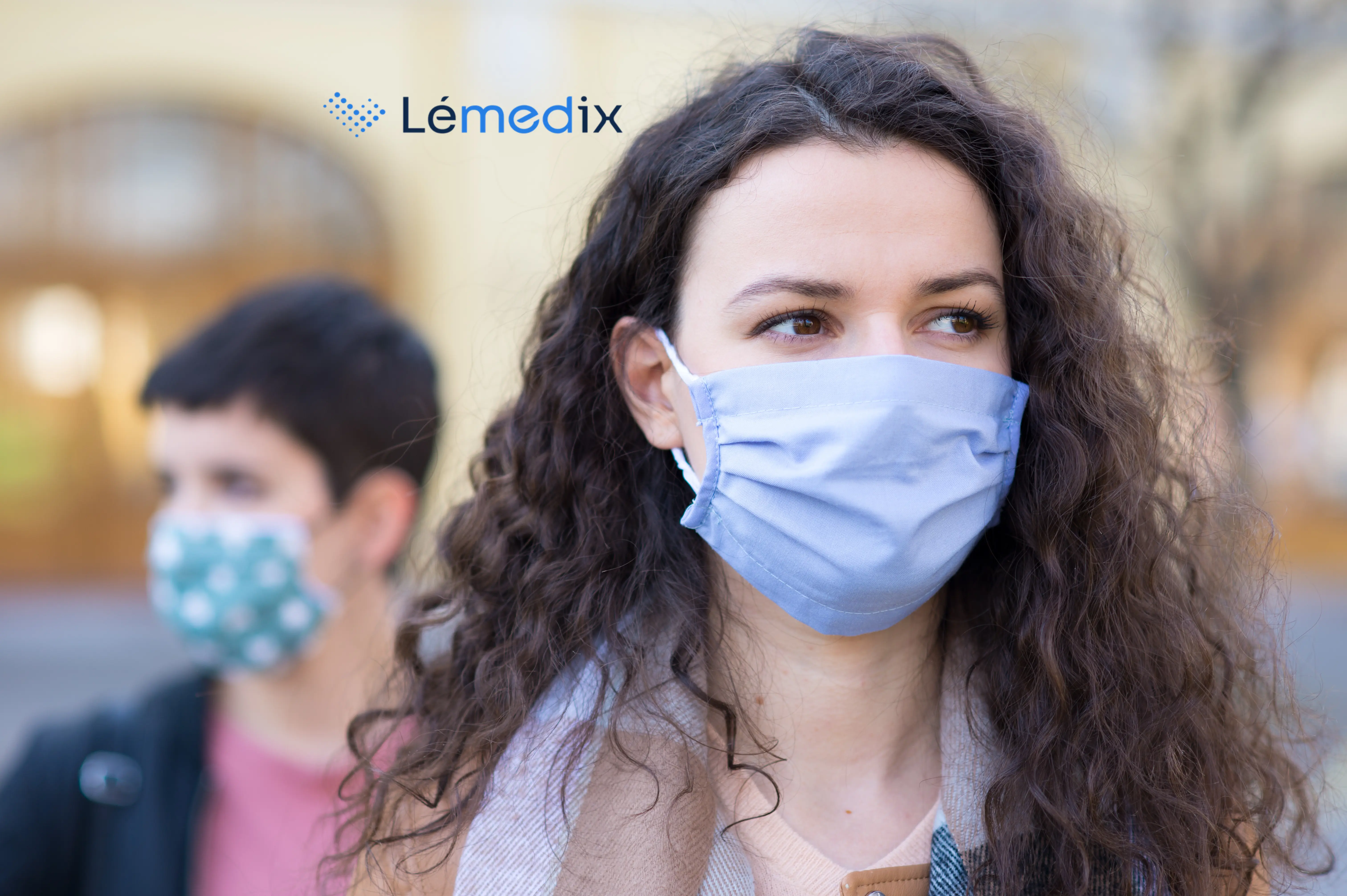
California is experiencing another noticeable increase in COVID-19 activity this summer, showing that the virus remains capable of gaining momentum outside the traditional winter respiratory illness season.
Current surveillance from the Centers for Disease Control and Prevention continues to track COVID-19 through laboratory test results, emergency department data, and wastewater monitoring. Recent reporting indicates that COVID-19 activity is increasing in California, while wastewater indicators are also showing elevated viral activity in parts of the state.
For healthcare providers, this development is more than a seasonal headline. It is a reminder that diagnostic preparedness remains important throughout the year.
When patients arrive with respiratory symptoms, healthcare professionals need reliable information to help determine what may be causing the illness. This is where timely Infectious Disease Testing can become an important part of the clinical process.
COVID-19 has demonstrated a different seasonal pattern from many respiratory viruses.
While influenza and RSV commonly receive significant attention during the colder months, COVID-19 can experience increases during the summer as well. Changes in population immunity, travel, indoor gatherings, community interactions, and the continued circulation of different viral lineages can all contribute to changing patterns of transmission.
California's current increase demonstrates why healthcare organizations should not treat respiratory illness as a strictly seasonal issue.
A patient visiting a clinic in August with a cough or fever may not immediately associate those symptoms with COVID-19. Healthcare providers, however, must consider the current disease environment when evaluating patients.
This makes access to appropriate Clinical Laboratory Services in California valuable for organizations that need dependable diagnostic support.
Respiratory infections can be difficult to distinguish based only on symptoms.
COVID-19 may cause symptoms such as cough, sore throat, congestion, fatigue, fever, headache, or body aches. Similar symptoms can occur with influenza, RSV, and other respiratory infections.
Two patients can experience similar symptoms while having completely different infections.
That uncertainty is one reason laboratory diagnostics remain important.
Testing can provide objective information that complements the patient's history and clinical assessment. Instead of relying solely on how a patient feels or appears, healthcare professionals can use diagnostic information as another piece of the clinical picture.
For healthcare organizations, dependable Laboratory Testing Services can therefore support a more informed approach to patient evaluation.
A laboratory result is most useful when it becomes available at a point when it can still contribute meaningfully to patient care.
When testing is delayed, healthcare teams may have to make decisions with less information. Timely diagnostic services can help reduce that uncertainty and support appropriate clinical workflows.
Depending on the patient's circumstances and the type of testing performed, diagnostic information may help healthcare providers:
1. Evaluate suspected COVID-19 infection
2. Consider other possible respiratory infections
3. Support clinical decision-making
4. Guide appropriate infection prevention practices
5. Determine whether additional evaluation may be appropriate
6. Contribute information to broader disease surveillance
The objective is not simply to produce a laboratory report. The objective is to provide useful information that healthcare professionals can incorporate into patient care.
Modern laboratory medicine has expanded considerably beyond traditional testing approaches.
Molecular Diagnostics can identify genetic material associated with infectious organisms and can provide highly specific information about certain infections. Molecular techniques such as nucleic acid amplification testing have become an important part of modern infectious disease diagnostics.
The CDC's respiratory virus surveillance program itself relies on laboratory testing data, including molecular testing for COVID-19 and RSV, to monitor disease activity.
For healthcare organizations, access to appropriate molecular diagnostic capabilities can be particularly valuable when respiratory infections are circulating within the community.
This does not mean every patient requires the same test. Testing decisions should be based on the clinical situation, applicable guidelines, and the healthcare provider's judgment.
One of the most useful developments in infectious disease monitoring is the increased use of wastewater surveillance.
Wastewater data can provide insight into viral activity across a community. The CDC explains that wastewater monitoring can sometimes detect respiratory viruses before people who are sick visit a healthcare provider, and it can also capture infections among people who may not have noticeable symptoms.
However, wastewater surveillance and clinical laboratory testing serve different purposes.
Wastewater can help answer a community-level question:
Is viral activity changing in this area?
Clinical diagnostic testing addresses a different question:
What may be causing illness in this individual patient?
Using both types of information gives public health professionals and healthcare providers different perspectives on infectious disease activity.
COVID-19 should not be considered separately from every other respiratory infection.
During periods of increased respiratory illness, healthcare providers may encounter patients with COVID-19, influenza, RSV, or other infections that produce similar symptoms.
This is why Respiratory Testing Services in California can be relevant to healthcare organizations looking for broader diagnostic support.
A broader testing strategy can help providers consider multiple potential causes of illness rather than focusing on one pathogen based solely on symptoms.
The right testing approach will always depend on the patient's clinical circumstances and the healthcare provider's assessment.
The current summer increase provides several practical lessons for healthcare organizations.
COVID-19 activity can change during the summer. Healthcare organizations should therefore consider respiratory disease preparedness as a year-round responsibility.
Public health surveillance can provide valuable context for healthcare organizations. Increasing wastewater activity and laboratory positivity can signal changing levels of respiratory virus circulation.
Respiratory symptoms can overlap between multiple infections. Appropriate diagnostic testing can provide additional information when a healthcare provider believes testing is warranted.
When respiratory illness increases, healthcare organizations may experience greater demand for diagnostic services. A dependable laboratory partner can help organizations manage their testing requirements more efficiently.
Lemedix provides laboratory and diagnostic solutions designed to support healthcare providers and organizations.
Our services include Infectious Disease Testing and Molecular Diagnostics, along with Core Lab and other laboratory solutions. Lemedix's current service offering is designed to help healthcare organizations access laboratory support for diagnostic and patient-care needs.
For healthcare providers dealing with respiratory illnesses, having access to appropriate laboratory resources can make it easier to obtain the diagnostic information needed for patient evaluation.
Lemedix works with healthcare organizations that need laboratory support and offers solutions that can complement clinical workflows.
If your organization is looking for COVID-19 Testing, infectious disease diagnostics, molecular testing, or broader laboratory support, the Lemedix team can discuss available services based on your organization's needs.
A rise in respiratory infections can place additional pressure on healthcare organizations.
Patients may require evaluation, testing, follow-up, and infection-control considerations. At the same time, healthcare teams need to maintain their normal clinical workload.
A reliable laboratory partner can become an important part of that process.
The value of a strong laboratory relationship extends beyond individual test results. It includes dependable processes, appropriate specimen handling, consistent communication, and laboratory capabilities that can support changing healthcare requirements.
For clinics and other healthcare organizations in California, maintaining access to dependable Medical Laboratory Services can be particularly important when community disease activity changes unexpectedly.
Not every laboratory need is related to COVID-19.
Healthcare providers continue to require routine and specialized laboratory testing for a wide range of patient conditions. This is where Core Laboratory Services remain an essential component of healthcare delivery.
A strong laboratory infrastructure allows healthcare organizations to address everyday testing needs while also responding to changing infectious disease demands.
For Lemedix, laboratory support is part of a broader approach to helping healthcare organizations manage diagnostic requirements efficiently.
California's summer COVID-19 increase demonstrates that infectious disease patterns can continue to change.
The latest surveillance information does not mean every respiratory symptom is COVID-19, nor does it mean every patient requires testing. Instead, it reinforces the importance of using current public health information alongside clinical judgment and appropriate diagnostic tools.
Laboratory testing remains an important bridge between a patient's symptoms and the information healthcare professionals need to make informed decisions.
As respiratory viruses continue to circulate and evolve, healthcare organizations benefit from maintaining access to dependable diagnostic resources throughout the year.
The healthcare industry has learned that infectious disease preparedness cannot depend on a single season.
COVID-19 may increase during periods when healthcare organizations are not expecting a major respiratory wave. Other infectious diseases can also emerge or increase with little warning.
That makes accurate laboratory diagnostics, effective disease surveillance, and reliable laboratory partnerships increasingly important.
For California healthcare providers, timely Infectious Disease Testing, Molecular Diagnostics, COVID-19 Testing, and broader Clinical Laboratory Services in California can help provide valuable diagnostic information when patients need it.
Lemedix is committed to supporting healthcare organizations with laboratory and diagnostic solutions designed around their clinical and operational needs.
If your clinic, medical practice, healthcare facility, or organization needs information about COVID-19 Testing, Infectious Disease Testing, Molecular Diagnostics, Core Laboratory Services, or Laboratory Testing Services, contact Lemedix:
Phone: (949) 531-6062
Email: cs@lemedix.com
Website: Lemedix.com
Our team is available to discuss laboratory and diagnostic solutions for your healthcare organization.



.png)